
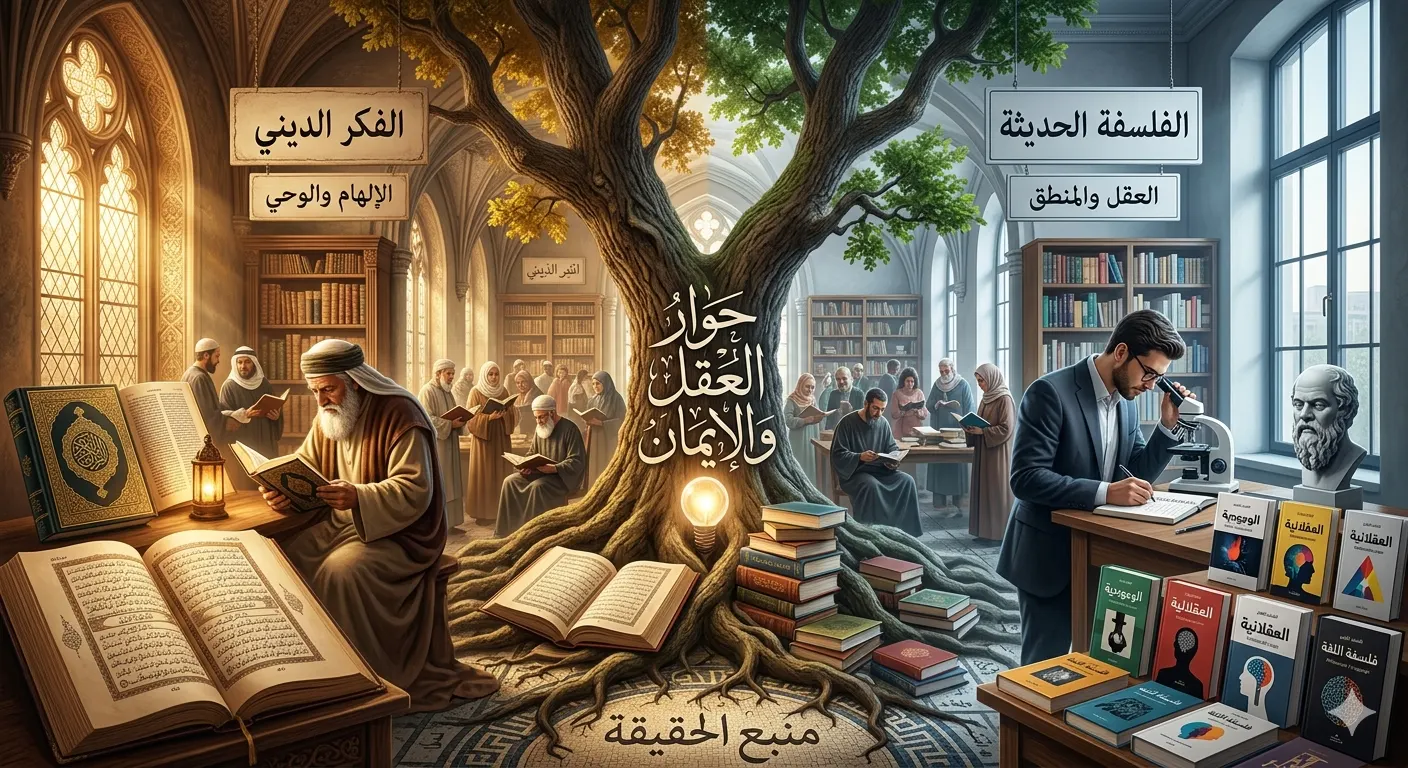
The central problematic lies in the shift of the source of legitimacy in the West, from "Divine Right" to "legal rationality" and the social contract, a transition that resulted in the "desacralization" of the state, transforming it into a material, utilitarian entity grounded in absolute human sovereignty. Through the thesis of political theology, the study exposes the illusory nature of neutrality within this Western rationality, asserting that modern state concepts are merely a form of "secularized theology," wherein the state has evolved into a sovereign entity that exercises violence and the power of exception under the guise of law. Conversely, the study establishes the foundations for the model of the "Legitimate State" in Islam, a model that integrates religion and politics into a cohesive epistemological and ethical unity.
The research concludes that the importation of Western paradigms has led to the eclipse of civilizational consciousness and the creation of a crisis within contemporary Islamic discourse. It asserts that the solution lies in reclaiming epistemological distinctiveness and forging a link between the secular and the religious, while emphasizing the necessity of revitalizing contemporary Ijtihad to keep pace with the developments of the modern era, without compromising the universal and immutable principles of Sharia.



Comments