
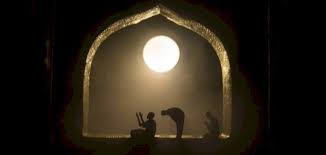
It clarifies that the prophets did not invent worship, but rather taught humans its correct forms, directed toward Allah, The One. It highlights how essential acts of worship serve as key milestones to achieve a balance between the spiritual and material aspects of life.
The research emphasizes the uniqueness of Islam in maintaining this balance between body and soul, especially when compared to the deviations that have occurred in some other Abrahamic religions, which have led to a disconnect from the natural human disposition. It also examines the commonalities in rituals across the three Abrahamic faiths, while showcasing what distinguishes Islamic law, particularly its clarity and stability, thanks to its unaltered Quranic foundation.
The research emphasizes that in Islam, acts of worship are a powerful force in shaping both the individual and society, and a source of revitalization for the nation when performed correctly. Prayer serves as a constant reminder of servitude to Allah, fasting is a discipline for piety and patience, and the pilgrimage [Hajj] is a collective gathering that unites Muslims in the face of oppression. Thus, worship in Islam forms a comprehensive vision that preserves balance and nurtures a purpose-driven, mission-oriented humanity.



Comments